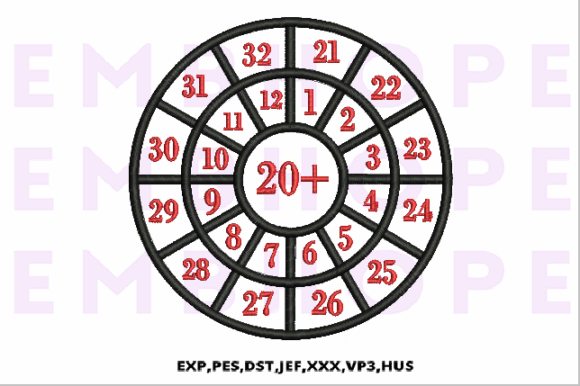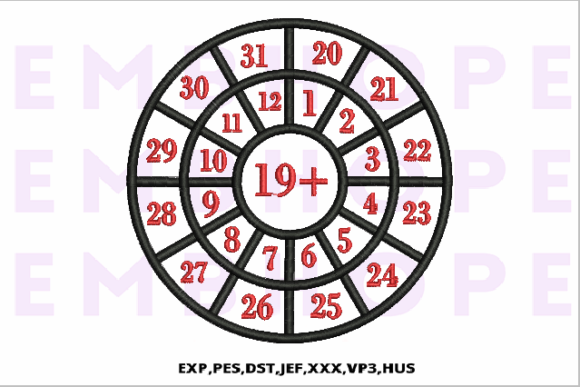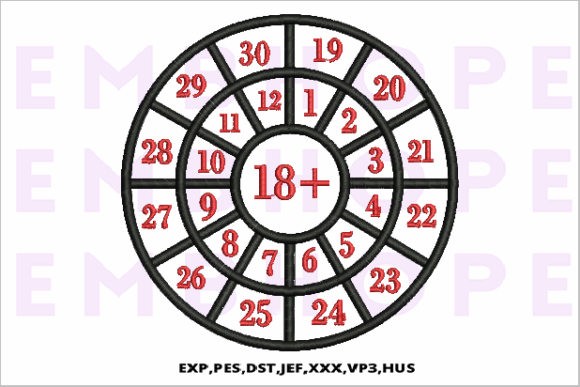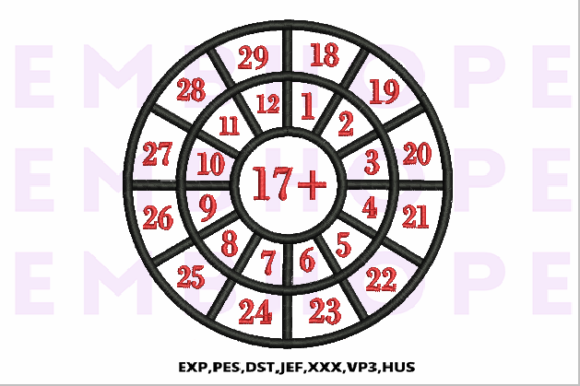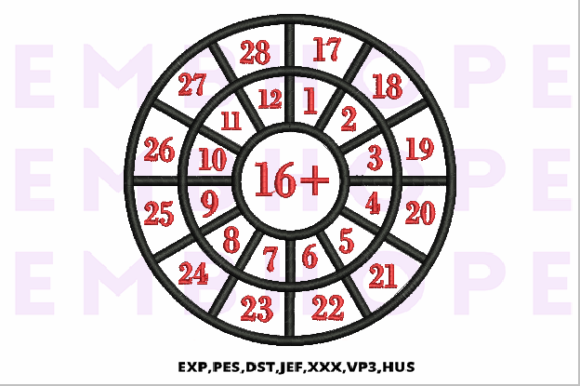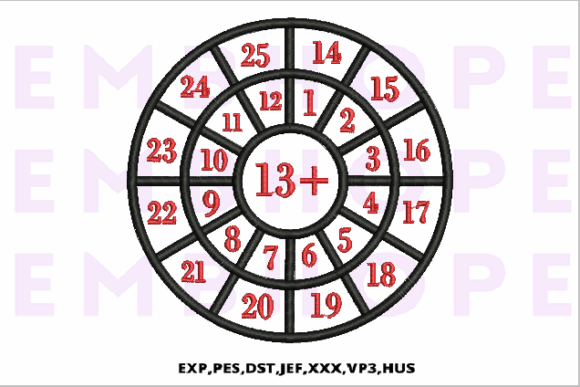
Addition Wheel 13
First Impressions: Bright and Educational
Addition Wheel 13 makes a strong first impression with its cheerful, educational tone. The design feels playful and engaging, perfect for capturing the attention of both kids and parents at a craft fair or handmade market. Its bright colors and clean layout suggest a fun learning tool that’s also visually appealing. The title itself hints at an educational purpose, which is a key selling point for schools, classrooms, and creative educators looking for hands-on learning materials.
Design Performance on Craft Fair Products
When evaluating Addition Wheel 13 for use on various craft fair products, it shows versatility and adaptability. It works well on tote bags, aprons, tea towels, and even caps—each offering a unique canvas to showcase the design. On tote bags, it serves as a bold focal point, while on aprons, it can be a subtle yet eye-catching detail. Tea towel embroidery brings a touch of classroom charm to kitchen essentials, and embroidered patches offer a portable way to display the design in a variety of settings.
The design also performs well on fabric pouches, pillow covers, and market bags, where its simplicity allows it to stand out without overwhelming the product. For Etsy sellers and small shop owners, this versatility means one design can be used across multiple product lines, maximizing return on investment.
Visual Appeal and Customer Attention
Addition Wheel 13 is designed with visual appeal in mind. Its bright colors and clear layout make it easy to spot at a booth or online listing. The cheery aesthetic appeals to a wide audience, including parents, teachers, and crafters who are looking for both function and style. The design feels modern and approachable, making it a natural fit for handmade markets and educational fairs.
Photographically, the design holds up well against different fabric textures and lighting conditions. It looks great on light-colored fabrics but may require careful consideration when used on dark or textured surfaces. This means that Etsy sellers should test the design on a variety of fabric types before finalizing their product listings.
Practical Selling and Production Points
From a production standpoint, Addition Wheel 13 is relatively straightforward to implement. The design is easy to understand at a glance, which is essential for customers browsing through a booth or scrolling through online listings. It works well as both a small accent and a large focal design, giving sellers flexibility in how they present it.
However, there are a few practical considerations to keep in mind. Dense stitch areas and tiny details may require careful handling during the embroidery process. Tiny lettering could be challenging to read on smaller products, so it’s important to test the design on scrap fabric before committing to full production. Additionally, the design may lose clarity when scaled down, especially on curved surfaces like caps or textured towels.
Handmade Quality and Brand Consistency
As a handmade product, Addition Wheel 13 offers a unique opportunity to showcase craftsmanship. The design’s simplicity allows for creative interpretation, which can help build brand consistency across different product lines. For boutique makers and digital sellers, this means the design can be adapted into a cohesive collection that resonates with the target audience.
It’s also important to consider thread color choices and stabilizer use. High-contrast thread colors will enhance the design’s visibility, while the right stabilizer will ensure smooth stitching and durability. Testing the design on different fabric types will help identify any potential issues with stitch density or fabric texture.
Booth Display and Buyer Engagement
At a craft fair booth, Addition Wheel 13 has the potential to draw in customers with its playful and educational appeal. Placing the design on a variety of products—from tote bags to embroidered patches—creates a dynamic display that highlights the versatility of the design. This can increase buyer engagement by showing how the same design can be applied to different items, encouraging customers to think about multiple uses.
For Etsy sellers and small shop owners, creating printable mockups and high-quality images is essential. These visuals will help attract buyers online and give them a clear idea of how the design will look on finished products. A well-presented mockup can significantly impact customer decisions, especially when shopping from home.
Embroidery Designer Notes
Before moving forward with production, it’s crucial to test the design on scrap fabric to ensure it looks as expected. Checking thread contrast, reviewing spacing, and confirming hoop size will all contribute to a successful embroidery outcome. Inspecting stitch density and using the right stabilizer are also important steps to avoid issues with fabric puckering or thread breakage.
Creating at least one real mockup is a must for any commercial embroidery project. This helps identify any potential problems before mass production. Comparing fabric colors and confirming commercial licensing are also key steps to ensure compliance and quality control. By taking these precautions, you’ll be able to deliver a polished, professional product that meets the needs of your customers.