Learning Time Clock
A Thoughtful Design for Educational and Handmade Projects
As an experienced embroidery designer, I’ve had the opportunity to review a variety of Creative Fabrica embroidery products. One that stood out was the Learning Time Clock. This design isn’t just another clock; it’s a creative tool with educational value and a unique visual appeal. Whether you’re crafting for a classroom, a boutique, or a personalized gift, this design offers versatility and charm.
First Impressions: Visual Mood and Detail Level
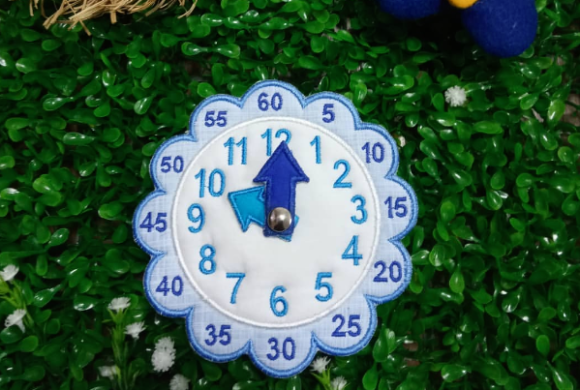
The Learning Time Clock immediately caught my eye with its clean lines and soft color palette. The design is well-structured, making it easy to visualize on different fabric types. The moving hands are a standout feature, adding a dynamic element that can be both functional and decorative. The detail level is impressive, especially considering the intricate stitching required to bring the clock face to life.
The embroidery file includes all necessary elements—numbers, hands, and background—to create a cohesive design. The balance between simplicity and complexity makes it suitable for both beginners and seasoned embroiderers. It’s a great example of how a machine embroidery design can serve multiple purposes without overwhelming the user.
Practical Use in Real Embroidery Projects
When considering real-world applications, the Learning Time Clock fits naturally into a range of projects. For instance, it works well on tote bags, sweatshirts, and aprons—common items in custom apparel and handmade shops. Its size and layout make it ideal for small hoop sizes, which is a plus for those working with limited space or budget.
It also shines as a personalized gift, especially for children learning to tell time. A personalized gift like this can be sewn onto a baby blanket, kitchen towel, or pillow cover, adding both function and beauty. The design’s educational aspect makes it a thoughtful addition to nursery decor or educational kits.
For commercial embroidery, the Learning Time Clock could be used on caps, patches, and embroidered patches. These smaller items require precise stitching, and the design’s structure ensures clarity even when scaled down. The ability to use it across various product types makes it a valuable asset for Etsy sellers and craft fair creators.
Performance in Real Embroidery Work
Testing the Learning Time Clock on scrap fabric revealed some important considerations. The stitch density is moderate, which means it won’t overwhelm the fabric but still maintains a detailed appearance. However, the dense areas around the clock face may require additional stabilizer to prevent puckering, especially on stretchy or textured fabrics.
Dark fabrics present a challenge, as the thread colors might not show up clearly. It’s essential to review the printable mockup and test the design on different materials before committing to a final product. The same goes for light-colored fabrics, where contrast plays a key role in visibility.
Curved surfaces, such as caps, can be tricky. The Learning Time Clock requires careful placement and possibly a specialized hoop or stabilizer to maintain shape and stitch integrity. Layered details, like the hands and numbers, should be inspected after stitching to ensure they remain intact and visually appealing.
Impact on Product Value and Brand Consistency
Using the Learning Time Clock in your handmade products can significantly enhance their value. The design adds a touch of education and creativity, which appeals to both parents and educators. It’s a versatile digital embroidery file that can be integrated into a broader brand identity, whether you’re selling through Etsy, a boutique, or a local craft fair.
From a presentation standpoint, the Learning Time Clock offers a professional look that aligns with high-quality handmade products. Its clean design and attention to detail make it a strong candidate for product photography and marketing materials. Customers will appreciate the thoughtfulness behind each stitched piece, which builds trust and encourages repeat purchases.
Embroidery Tips for Success
To ensure the best results when using the Learning Time Clock, consider these practical tips:
- Test on scrap fabric to assess stitch quality and color contrast.
- Check thread color contrast against the fabric to ensure visibility.
- Review stitch density to avoid over-stitching or under-stitching.
- Confirm hoop size to fit the design properly and maintain tension.
- Compare light and dark fabric mockups to see how the design looks in different settings.
- Use proper stabilizer to support the fabric and prevent distortion.
- Inspect small details after stitching to catch any issues early.
- Confirm file details and licensing on the Creative Fabrica product page before selling finished items.
These steps will help you achieve consistent, high-quality results and ensure the Learning Time Clock meets the expectations of your customers.
Final Thoughts
The Learning Time Clock is more than just an embroidery design—it’s a versatile, educational, and visually appealing tool that can elevate your handmade creations. Whether you’re looking to expand your product line or add a meaningful touch to your gifts, this design has the potential to deliver both aesthetic and functional value.
As an embroidery designer, I recommend the Learning Time Clock for anyone seeking a creative solution that blends education with artistry. It’s a solid choice for custom apparel, commercial embroidery, and personalized gifts—making it a valuable addition to your Creative Fabrica collection.